
The Rabbit Hole
Bollywood Embraces a Taj Mahal Conspiracy Theory
The New York Times reports that some Bollywood films are taking up a claim that the Taj Mahal was a Hindu temple, not the Mughal mausoleum in the usual history. Paranormal Country has not confirmed it.
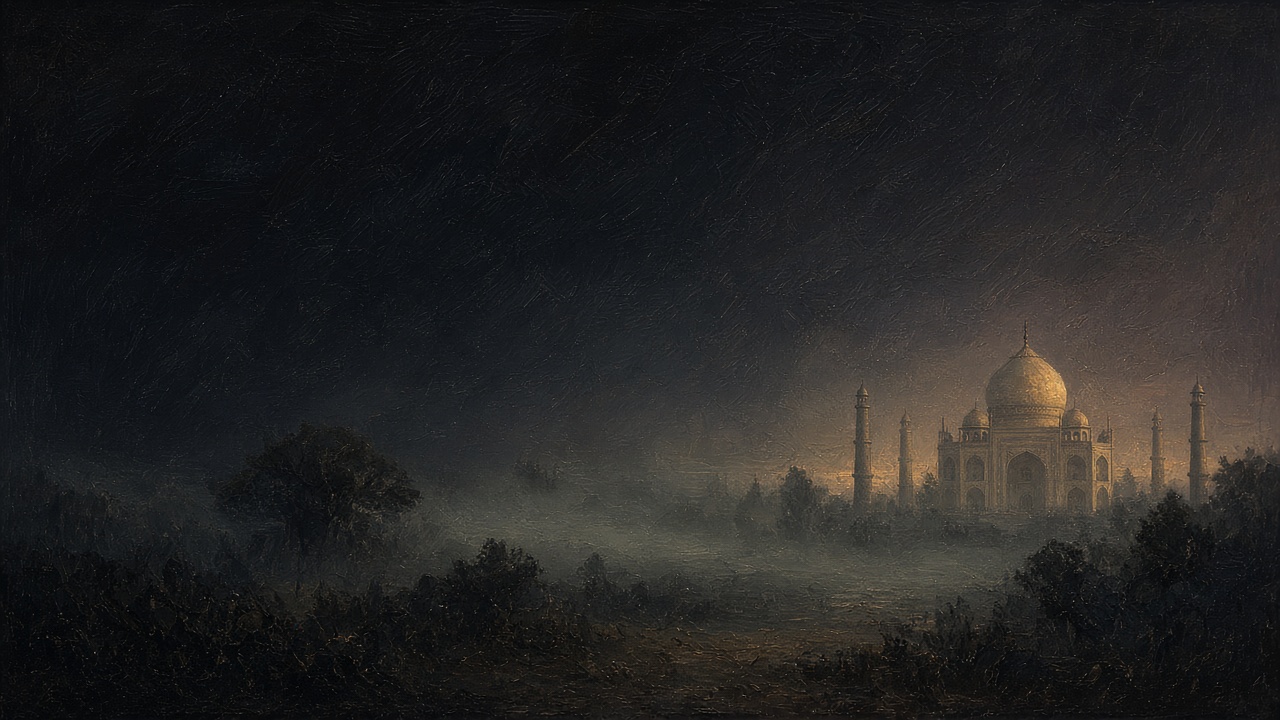
In a curious turn of events, Bollywood has begun to embrace a conspiracy theory surrounding one of India's most iconic landmarks, the Taj Mahal. Reports suggest that this theory posits the Taj Mahal, widely recognized as a symbol of love and architectural beauty, may have a more sinister origin than previously thought. The narrative has captured the imagination of filmmakers and audiences alike, leading to a resurgence of interest in the monument's history and the legends that surround it.
The conspiracy theory in question claims that the Taj Mahal is not merely a mausoleum built by Mughal Emperor Shah Jahan for his beloved wife Mumtaz Mahal, but rather a temple dedicated to a Hindu deity. Proponents of this theory argue that the architectural features and certain inscriptions found on the monument hint at a different purpose and origin. This interpretation challenges the mainstream historical narrative, which has long celebrated the Taj Mahal as a pinnacle of Mughal architecture.
This newfound fascination with the conspiracy theory appears to be influencing Bollywood filmmakers, who are reportedly considering incorporating elements of this narrative into their upcoming projects. The blending of historical fact with speculative fiction is not uncommon in Indian cinema, and the Taj Mahal's dramatic story provides fertile ground for creative exploration. As filmmakers delve into this controversial perspective, they may find themselves navigating the delicate balance between artistic expression and historical accuracy.
The resurgence of interest in the Taj Mahal's alleged hidden truths has sparked discussions among historians, cultural critics, and the general public. Some scholars have dismissed the conspiracy theory as unfounded, emphasizing the importance of rigorous historical research and evidence-based conclusions. Others, however, find the theory intriguing, suggesting that it reflects deeper societal questions about identity, heritage, and the narratives that shape national pride.
As this debate unfolds, the Taj Mahal remains a focal point of cultural and historical significance in India. Its status as a UNESCO World Heritage Site and a major tourist attraction underscores its importance to both national and global heritage. The ongoing discussions surrounding the conspiracy theory could potentially influence how the monument is perceived and interpreted in popular culture.
While Bollywood's engagement with the Taj Mahal conspiracy theory is still in its early stages, the implications of this trend could be far-reaching. The intersection of myth, legend, and historical fact is a complex landscape, and the allure of the unknown often captivates audiences. As Paranormal Country has not confirmed the veracity of these claims, the unfolding narrative serves as a reminder of the power of storytelling and the ways in which history can be reinterpreted through the lens of contemporary culture.
Image: Paranormal Country · Source: nytimes.com